
The word building can have several meanings, so the best synonym depends on what you mean. It can refer to a physical structure, such as a house or office, or to the process of creating something, as in “building a business” or “building a website.” It can also describe gradual development, such as building confidence, relationships, or skills.
That is why searching for 33+ synonyms for building is useful when you want more precise, professional, academic, or natural wording. This guide explains more than 33 alternatives, including true synonyms, near synonyms, formal terms, contextual alternatives, and casual expressions. It also shows how each choice changes meaning, tone, or scope.
Quick Answer
Common synonyms for building include structure, construction, edifice, facility, property, premises, complex, development, establishment, construction process, creation, development, formation, assembly, erection, fabrication, development, expansion, growth, strengthening, and improvement. The right choice depends on whether “building” means a physical structure, the act of constructing something, or gradual development.
Useful Alternatives for “Building”
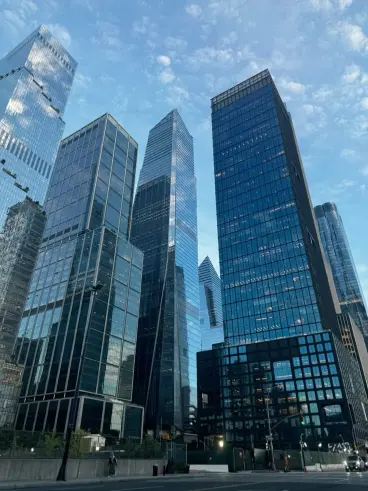
When “building” means a physical structure
- Structure
- Edifice
- Facility
- Property
- Premises
- Establishment
- Complex
- Development
- Construction
- Block
- House
- Residence
- Dwelling
- Office
- Site
- Venue
- Tower
- Apartment block
- Commercial property
- Public facility
When “building” means the act of creating or constructing
- Construction
- Constructing
- Erection
- Assembly
- Fabrication
- Formation
- Creation
- Development
- Production
- Installation
- Establishment
- Expansion
- Reconstruction
- Renovation
- Manufacturing
“building” means gradual improvement or growth
- Development
- Growth
- Expansion
- Progress
- Improvement
- Strengthening
- Advancement
- Formation
- Cultivation
- Enhancement
- Reinforcement
- Establishment
Important: These alternatives are not all interchangeable. For example, edifice usually means a large or impressive physical structure, while development can refer to a group of buildings, a project, or a process of growth.
Formal Alternatives
1. Structure
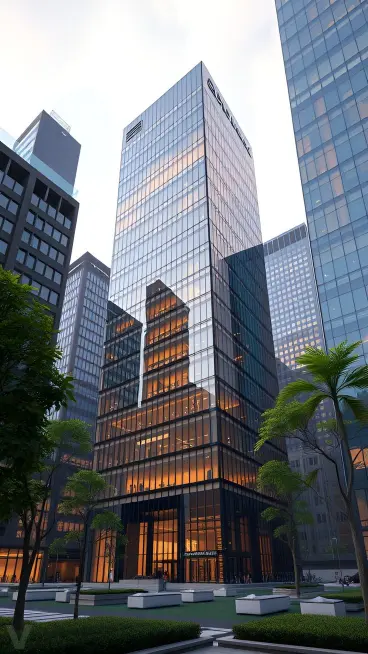
Meaning: A physical thing that has been constructed or organized.
Explanation: Structure is one of the closest alternatives when building means a physical construction. It is broader than “building” because bridges, towers, and other constructions can also be structures.
Example:
“The structure was designed to withstand strong winds.”
Best Use: Technical, architectural, engineering, and professional writing.
Worst Use: Casual situations where “building” sounds simpler and more natural.
Tone: Neutral to formal.
2. Edifice
Meaning: A large or impressive building.
Explanation: Edifice is a more formal and sometimes literary alternative to building. It often suggests size, importance, or impressive architecture.
Example:
“The historic edifice attracts thousands of visitors each year.”
Best Use: Historical, architectural, literary, and descriptive writing.
Worst Use: Simple everyday sentences such as “I live in an edifice.”
Tone: Formal and sometimes literary.
3. Facility
Meaning: A building or place designed for a particular purpose.
Explanation: A facility emphasizes the function of the place rather than its physical appearance.
Example:
“The company opened a new research facility.”
Best Use: Business, healthcare, education, manufacturing, government, and technical writing.
Worst Use: When discussing a private home unless the context specifically calls it a facility.
Tone: Professional and functional.
4. Premises
Meaning: A building and the land or property connected with it.
Explanation: Premises is especially useful in business and legal contexts. It normally refers to a location rather than just the physical building.
Example:
“Employees must leave the premises by 8 p.m.”
Best Use: Business, legal, workplace, and official communication.
Worst Use: Casual descriptions of a house or landmark.
Tone: Formal and professional.
5. Property

Meaning: A building, land, or both.
Explanation: Property is broader than building. It can include the structure, land, and associated assets.
Example:
“The company purchased the property last year.”
Best Use: Real estate, business, legal, and financial writing.
Worst Use: When you specifically mean the physical structure and not the land.
Tone: Neutral to professional.
6. Establishment
Meaning: A place or organization that has been established for a particular purpose.
Explanation: This can sometimes replace building when referring to a business or institution, but it focuses more on the organization or operation than the physical structure.
Example:
“The restaurant has become a popular local establishment.”
Best Use: Business, hospitality, formal descriptions.
Worst Use: Technical architectural writing.
Tone: Formal or neutral.
7. Development
Meaning: A planned building project or group of buildings.
Explanation: Development often refers to a collection of buildings or the project involved in creating them. It does not normally mean one ordinary building.
Example:
“A new residential development is being planned near the highway.”
Best Use: Real estate, urban planning, construction, and business.
Worst Use: When referring to a single small structure.
Tone: Professional.
8. Complex
Meaning: A group of connected or related buildings.
Explanation: Complex is narrower than building. It works well for hospitals, offices, universities, shopping centers, and similar groups of structures.
Example:
“The medical complex includes three specialized buildings.”
Best Use: Business, healthcare, education, and real estate.
Worst Use: A single small house.
Tone: Neutral and professional.
9. Construction
Meaning: The process or result of constructing something.
Explanation: Construction can refer to the activity of building or, in some contexts, the thing being constructed.
Example:
“Construction of the new bridge will begin next month.”
Best Use: Engineering, architecture, construction, project management.
Worst Use: As a direct replacement for every occurrence of the noun building.
Tone: Professional and technical.
10. Erection
Meaning: The act of putting a structure into position or constructing it.
Explanation: In construction terminology, erection can describe assembling or putting up a structure. However, because the word has other meanings in everyday English, it should be used carefully.
Example:
“The erection of the steel framework took several weeks.”
Best Use: Technical construction and engineering documents.
Worst Use: Casual or general-audience writing.
Tone: Technical and formal.
11. Fabrication
Meaning: The process of making or assembling components.
Explanation: Fabrication is not a general synonym for building. It is more specific to manufacturing or preparing components, often in industrial settings.
Example:
“The fabrication of the steel panels was completed off-site.”
Best Use: Engineering, manufacturing, construction.
Worst Use: Describing the construction of an ordinary house in general terms.
Tone: Technical.
12. Assembly
Meaning: Putting separate parts together.
Explanation: Assembly describes how components are joined. It is narrower than building when referring to construction.
Example:
“The assembly of the modular structure took only two days.”
Best Use: Manufacturing, engineering, modular construction.
Worst Use: General descriptions of architecture.
Tone: Neutral to technical.
Semi-Formal and Neutral Alternatives
13. Construction

A strong neutral choice when discussing the process of creating a structure.
Example: “The construction of the school is nearly complete.”
Best use: Reports, news, business, and everyday formal writing.
Tone: Neutral/professional.
14. Development
Useful when describing gradual creation, especially a project or real estate site.
Example: “The development will include apartments and retail stores.”
Best use: Real estate and planning.
Tone: Professional.
15. Creation
Meaning: The act of making something.
Example: “The creation of the new community center took two years.”
This is broader than building and works better when discussing the result of a creative or organizational process.
Best use: General writing.
Tone: Neutral.
16. Formation
Meaning: The process of forming something.
Example: “The formation of the new organization took several months.”
This works better for groups, systems, or concepts than physical structures.
Best use: Academic and professional writing.
Tone: Formal/neutral.
17. Assembly
Meaning: Joining parts together.
Example: “The assembly of the temporary shelter was completed quickly.”
Best use: Technical and practical contexts.
Tone: Neutral.
18. Establishment
Meaning: The process of creating or setting up something.
Example: “The establishment of the new center improved local services.”
This is particularly useful for organizations and institutions.
Tone: Formal.
19. Creation
Meaning: Making something new.
Example: “The creation of a strong online presence takes time.”
Unlike construction, it can describe abstract things.
Tone: Neutral.
20. Development
Meaning: Growth or progress toward a more complete state.
Example: “The development of her writing skills took several years.”
This is particularly useful when building means improvement rather than physical construction.
Tone: Neutral/professional.
21. Growth
Meaning: Becoming larger, stronger, or more developed.
Example: “The company experienced rapid growth.”
Growth cannot normally replace building when discussing a physical structure.
Tone: Neutral.
22. Expansion
Meaning: Becoming larger or extending an existing thing.
Example: “The expansion of the office created space for 50 more employees.”
This is narrower than building because it implies something is being enlarged.
Tone: Professional.
23. Improvement
Meaning: Making something better.
Example: “The building of employee skills requires continuous improvement.”
When building means developing ability or quality, improvement may work better.
Tone: Neutral.
24. Strengthening
Meaning: Making something stronger.
Example: “The program focuses on strengthening relationships between departments.”
This is useful for abstract nouns such as relationships, skills, and partnerships.
Tone: Professional.
25. Enhancement
Meaning: An improvement that increases quality, value, or effectiveness.
Example: “The project supports the enhancement of customer service.”
Best use: Business, technical, academic, and professional writing.
Tone: Formal.
26. Advancement
Meaning: Movement toward a better or more developed state.
Example: “The program supports the advancement of scientific knowledge.”
This is not a general synonym for physical construction.
Tone: Formal and academic.
Informal and Casual Alternatives
There are fewer true casual synonyms for building, because the word itself is already common and natural. However, depending on context, these expressions can work.
27. Putting up
Meaning: Constructing or erecting something.
Example: “They’re putting up a new office downtown.”
When natural: Casual conversation.
Avoid when: Writing formal reports or academic papers.
Tone: Informal.
28. Putting together
Meaning: Assembling something from parts.
Example: “We’re putting together a small workshop.”
When natural: Everyday conversation.
Avoid when: Precise technical construction terminology is required.
Tone: Casual.
29. Making
Meaning: Creating something.
Example: “They’re making a new community center.”
When natural: Casual conversation with simple vocabulary.
Avoid when: You need technical precision.
Tone: Very casual and general.
30. Putting in
Meaning: Installing or adding something.
Example: “They’re putting in a new office building.”
This is conversational rather than a direct synonym.
Tone: Informal.
31. Setting up
Meaning: Creating, arranging, or establishing something.
Example: “We’re setting up a new training center.”
It is better for establishing an operation than constructing a physical structure.
Tone: Casual to neutral.
True Synonyms vs. Contextual Alternatives
Not every word above can replace building in every sentence.
| Type | What It Means | Can It Replace “Building”? |
|---|---|---|
| True/close synonym | A constructed physical structure | Structure often can |
| Near synonym | Similar meaning with a different emphasis | Edifice, facility, property sometimes |
| Contextual alternative | Works only in certain situations | Premises, development, complex |
| Broader expression | Covers more than a building | Property, construction, creation |
| Narrower expression | Covers a specific type or aspect | Tower, residence, assembly |
The key lesson is simple: synonyms share meaning, but they do not always share usage.
For example:
“The building is closed.”
You could say:
“The facility is closed.”
if it is a place serving a particular function.
But:
“The construction is closed.”
does not mean the same thing. Construction refers to the process, not normally the finished place.
Industry-Specific Usage
Business Writing
Business writing often benefits from precise terms such as:
- facility
- premises
- property
- office complex
- development
- construction
Example:
“The company is expanding its manufacturing facility.”
That sounds more precise than simply saying:
“The company is expanding its building.”
Corporate Communication
For corporate reports, choose the term according to what you are discussing.
Physical location:
“The company moved to a larger facility.”
Real estate:
“The company acquired the property.”
Construction project:
“Construction is scheduled for completion in June.”
Group of buildings:
“The new office complex will accommodate 1,000 employees.”
Academic Writing
Academic writing generally benefits from specific vocabulary.
Instead of:
“The building of social trust is important.”
you might write:
“The development of social trust is important.”
For physical architecture:
“The structure was constructed in the nineteenth century.”
For theoretical systems:
“The formation of the framework involved several stages.”
Avoid replacing building with an unnecessarily complicated word just to sound academic.
Customer Service
Customer-facing language should usually be clear and familiar.
Instead of:
“The facility is inaccessible due to maintenance.”
you could say:
“The building is temporarily closed for maintenance.”
If the facility has a specialized purpose, however, facility may be the better choice.
Legal Writing
Legal writing requires precision. Terms such as premises, property, structure, dwelling, and development can have different meanings depending on the document and jurisdiction.
For example:
“Unauthorized persons may not enter the premises.”
is not necessarily equivalent to:
“Unauthorized persons may not enter the building.”
Premises may include surrounding land or other areas associated with the property.
For legal documents, do not casually substitute a synonym when the exact scope matters.
Email Communication
Professional emails often work best with simple, precise vocabulary.
Client:
“The new facility is expected to open in July.”
Internal update:
“Construction of the new office is progressing well.”
Request:
“Could you confirm whether the building will be accessible on Monday?”
Vendor communication:
“Please provide an updated schedule for the construction project.”
Email Examples
1. Client Communication
Subject: New Facility Opening Update
Hi Sarah,
I wanted to let you know that the new facility is expected to open in early August. We will share the confirmed opening date as soon as the final inspections are complete.
Best,
Michael
Why it works: Facility emphasizes the building’s purpose and is natural in business communication.
2. Project Update
Subject: Construction Progress Update
Hi Team,
Construction of the new office is progressing according to the current schedule. The electrical work is now complete, and the interior work is expected to begin next week.
Best,
Daniel
Why it works: Construction describes the process rather than the finished building.
3. Academic Communication
Subject: Campus Facility Access
Dear Professor Lee,
I wanted to confirm whether the new research facility will be available for student use this semester.
Thank you,
Emily
Why it works: Facility sounds appropriate for an academic institution.
4. Customer Service
Subject: Temporary Building Closure
Hello,
Thank you for contacting us. The building will remain closed tomorrow while routine maintenance is completed. We expect normal access to resume on Friday.
Best,
Customer Support
Why it works: Building is clearer than a technical alternative for general customers.
5. Internal Workplace Email
Subject: Office Expansion
Hi Everyone,
The expansion of our office space is scheduled to begin next month. During the work, some teams may temporarily move to different areas of the building.
Thanks,
Laura
Why it works: Expansion clearly communicates that an existing space is being made larger.
6. Vendor Communication
Subject: Construction Schedule
Hello Mark,
Could you please send us the latest construction schedule for the warehouse project? We would also appreciate confirmation of the expected completion date.
Regards,
James
Why it works: Construction is the precise term for the ongoing project.
Short Dialogue Examples
Workplace
Person A: Are we moving to the new building next month?
Person B: Yes. The new facility should be ready by then.
Classroom
Person A: What does “edifice” mean?
Person B: It means a building, usually one that is large or impressive.
Customer Service
Person A: Can I enter the premises after 6 p.m.?
Person B: No, the entire property closes at 6.
Casual Conversation
Person A: What’s that new building going up downtown?
Person B: I think they’re putting up a new hotel.
Professional Discussion
Person A: Is this a construction project or an expansion?
Person B: It’s an expansion because we’re adding space to the existing office.
How to Replace “Building” in a Sentence
Example 1
Original:
“The building is very old.”
Alternative:
“The structure is very old.”
Why it works: Structure keeps the focus on the physical construction.
Example 2
Original:
“The company built a new building.”
Alternative:
“The company constructed a new facility.”
Why it works: Constructed is more formal, while facility emphasizes the building’s function.
Example 3
Original:
“The building is closed.”
Alternative:
“The premises are closed.”
Why it works: This works in formal or business contexts, but premises may cover more than the building itself.
Example 4
Original:
“The building of trust takes time.”
Alternative:
“The development of trust takes time.”
Why it works: Development is more natural for an abstract concept.
Example 5
Original:
“They are building a new hospital.”
Alternative:
“They are constructing a new hospital.”
Why it works: Constructing is a more formal alternative to the verb building.
Example 6
Original:
“The building of the bridge took two years.”
Alternative:
“The construction of the bridge took two years.”
Why it works: Construction is the standard formal term for the process.
Example 7
Original:
“The company is building its reputation.”
Alternative:
“The company is strengthening its reputation.”
Why it works: Strengthening better expresses gradual improvement rather than physical construction.
Example 8
Original:
“They are building a relationship with customers.”
Alternative:
“They are developing relationships with customers.”
Why it works: Developing is more natural for an ongoing interpersonal or business process.
Comparison Table
| Phrase | Tone | Meaning / Scope | Best Use | Example |
|---|---|---|---|---|
| Building | Neutral | Physical structure or creation process | General writing | “The building is new.” |
| Structure | Neutral/formal | Physical construction | Architecture, engineering | “The structure is stable.” |
| Edifice | Formal | Large/impressive building | Historical or descriptive writing | “The edifice is historic.” |
| Facility | Professional | Building used for a purpose | Business, healthcare | “The facility opens Monday.” |
| Premises | Formal | Building plus associated property | Legal/business | “The premises are secure.” |
| Property | Neutral/formal | Land and/or buildings | Real estate | “The property was sold.” |
| Complex | Professional | Group of related buildings | Commercial/medical | “The complex is expanding.” |
| Development | Professional | Project, site, or growth | Real estate/business | “The development is underway.” |
| Construction | Technical | Process of building | Engineering/projects | “Construction begins soon.” |
| Expansion | Neutral/formal | Making something larger | Business/property | “The expansion is complete.” |
| Renovation | Neutral/formal | Improving an existing structure | Property/design | “The renovation took months.” |
| Assembly | Technical | Putting parts together | Manufacturing | “Assembly is complete.” |
| Establishment | Formal | Creation or institution/place | Business/institutions | “The establishment serves the community.” |
| Growth | Neutral | Increase or development | Business/abstract ideas | “The company experienced growth.” |
| Formation | Formal | Process of forming | Groups/ideas/systems | “Formation took several years.” |
Which Alternative Should You Choose?
For formal writing
Use structure, facility, premises, edifice, construction, or development, depending on meaning.
For business communication
Choose facility, premises, property, complex, development, or construction.
For academic writing
Use structure, construction, development, formation, or establishment when they accurately describe the subject.
For legal writing
Prefer the exact legal or property term required by the document, such as premises, property, structure, or dwelling. Do not substitute casually.
For professional email
Use simple terms such as building, facility, construction, property, or expansion.
For everyday conversation
Building, house, place, structure, and putting up are usually natural choices.
For casual messages
Use familiar wording such as:
- building
- place
- house
- putting up
- setting up
The simplest accurate word is usually the best.
Grammar & Usage Guide
“Building” as a noun
When building refers to a physical structure, it is a countable noun.
Singular:
“The building is open.”
Plural:
“The buildings are open.”
Use a/an with a singular countable noun:
“We visited a building near the station.”
“Building” as a gerund
Building can also function as the -ing form of the verb build.
“Building a house takes time.”
Here, building refers to the activity or process.
This distinction matters when selecting alternatives.
Physical noun:
“The building is modern.”
Process:
“The construction took two years.”
“Building” as a verb
The verb building means creating, constructing, or developing something.
“They are building a new school.”
Possible alternatives include:
“They are constructing a new school.”
or:
“They are developing a new campus.”
The best choice depends on what is actually happening.
Common word combinations
Natural combinations include:
- office building
- residential building
- commercial building
- apartment building
- government building
- building project
- building construction
- building design
- building materials
- building regulations
- building permit
- building maintenance
For abstract meanings, common combinations include:
- building trust
- building confidence
- building relationships
- building skills
- building knowledge
- building a reputation
- building a business
These cannot all be replaced with the same synonym.
Common Mistakes to Avoid
1. Treating every alternative as an exact synonym
Facility, property, premises, and structure have different scopes.
Better: Choose the word that matches the intended meaning.
2. Using “edifice” in casual writing
Saying “I live in an edifice” sounds unnecessarily formal.
Better: “I live in an apartment building.”
3. Using “construction” for the finished structure
“The construction is beautiful.”
can sound as though you mean the construction process.
Better: “The building is beautiful.”
4. Confusing “property” with “building”
Property can include land, buildings, and other associated assets.
Better: Use building when you mean only the structure.
5. Using “premises” too broadly
Premises often includes more than the building itself.
Better: Use it when the entire business location or associated property is relevant.
6. Using “development” for one ordinary building
A development often means a project, site, or collection of buildings.
Better: Say building if you mean one structure.
7. Replacing abstract “building” with construction
“Building trust is important.”
should not normally become:
“Construction of trust is important.”
Better: “Developing trust is important.”
8. Choosing complicated words just to sound professional
A simple word can be more effective than an impressive-sounding synonym.
Better: Prefer precision and readability over unnecessary complexity.
When Not to Use the Original Word “Building”
You may want an alternative when:
- You need technical precision.
Use structure or construction when the technical context requires it. - You mean the entire property.
Premises or property may be more accurate. - You mean a group of buildings.
Use complex or development. - You are describing gradual growth.
Use development, growth, or strengthening. - You are discussing an existing structure being improved.
Renovation or expansion may be more precise. - You are writing a highly formal architectural description.
Edifice may be appropriate. - You want a simpler conversational style.
House, place, or building may sound more natural than technical terms.
When “building” is actually the better choice
Do not replace it simply to avoid repetition. Building is clear, familiar, and flexible. In many everyday sentences, it is the strongest choice because readers understand it immediately.
Advanced Writer Tips
Tone Control
For a more formal tone:
“The construction of the facility is underway.”
a neutral tone:
“The building is under construction.”
For a conversational tone:
“They’re putting up a new building.”
The meaning is similar, but the tone changes.
Professional Email Etiquette
Choose words that are clear rather than unnecessarily sophisticated.
Instead of:
“The erection of the edifice has commenced.”
write:
“Construction of the new facility has begun.”
The second sentence is more natural and easier to understand.
Politeness
Word choice can affect how direct a message sounds.
Direct:
“The building is closed.”
Polite customer-facing version:
“The building is temporarily closed for maintenance.”
The second version adds useful context without becoming wordy.
Context Alignment
Ask yourself three questions:
- Am I talking about a physical structure?
- Am I describing the construction process?
- Am I describing growth or development?
The answer will usually reveal the right alternative.
Precision
Compare:
“The company is building a new headquarters.”
Possible alternatives:
- “constructing a new headquarters” — focuses on physical construction
- “developing a new headquarters” — broader and project-oriented
- “establishing a new headquarters” — focuses on setting up the operation
- “expanding its headquarters” — means making an existing headquarters larger
These are related, but they are not identical.
Readability
If the original sentence is already clear, do not replace building unnecessarily.
Good writing is not about using the most complicated synonym. It is about using the most accurate word for the reader and context.
Related Questions
What is another way to say “building”?
Depending on the meaning, you can say structure, facility, premises, property, edifice, complex, development, construction, or establishment. For abstract uses such as “building trust,” alternatives include developing, strengthening, cultivating, or establishing.
What is a professional alternative to “building”?
Facility, structure, premises, property, development, and construction are common professional choices. The best option depends on whether you mean a physical location, property, or construction process.
What is a formal alternative to “building”?
Edifice is a formal word for a building, especially a large or impressive one. Structure is also useful in technical or formal writing.
Can “facility” replace “building”?
Sometimes. Facility emphasizes the purpose or function of a place. A hospital, research center, factory, or sports center can naturally be called a facility. A simple house is usually better called a building, home, or residence.
Is “building” a formal word?
Yes. Building is a standard neutral English word. It is appropriate in casual, professional, academic, and most formal writing.
Can “construction” replace “building”?
Only in certain contexts. Construction usually refers to the process of constructing something, while building can refer to either the physical structure or the process.
What is the difference between “building” and “development”?
A building is usually a physical structure. A development can mean a construction project, a group of buildings, or a process of growth. Therefore, they are related but not interchangeable in every sentence.
FAQs
1. What are the closest synonyms for “building”?
The closest general alternatives are structure, edifice, facility, property, and premises, although each has a slightly different scope. Structure is particularly useful when you mean the physical construction itself.
2. What is the best synonym for “building” in academic writing?
Structure and construction are often useful in academic writing, but the correct choice depends on the subject. For abstract ideas such as “building knowledge,” development or formation may be more natural.
3. What is a good synonym for “building” in business?
Facility is often a strong choice for a functional workplace, factory, or center. Premises works well when discussing an entire business location, while property is useful for real estate.
4. What is a synonym for “building” in construction?
Depending on the sentence, use structure, construction, erection, assembly, or development. These terms describe different parts of the construction process, so technical context matters.
5. What can I say instead of “building a relationship”?
Natural alternatives include developing a relationship, strengthening a relationship, cultivating a relationship, establishing a relationship, or fostering a relationship.
6. What can I say instead of “building skills”?
Good alternatives include developing skills, improving skills, strengthening skills, enhancing skills, and cultivating skills. Developing skills is usually the most natural.
7. Is “house” a synonym for “building”?
Sometimes, but not always. A house is a specific type of building designed for residential use. Therefore, house is a narrower term than building.
Key Takeaways
- Building can mean a physical structure, a construction process, or gradual development.
- Structure, facility, premises, property, and edifice are useful alternatives for physical buildings, but their scopes differ.
- For the construction process, construction, erection, assembly, and fabrication may be more precise.
- For abstract meanings, choose words such as development, strengthening, cultivation, growth, or improvement.
- Always choose the synonym that matches your meaning, audience, and level of formality rather than simply choosing a more complicated word.
Conclusion;
The best synonym for building depends on what you are trying to describe. If you mean a physical structure, words such as structure, facility, premises, property, edifice, and complex can provide more precise alternatives. If you mean the act of constructing something, construction, assembly, erection, or fabrication may be more appropriate. For abstract ideas such as building trust, skills, or confidence, terms such as developing, strengthening, cultivating, and establishing are usually more natural.
The most important rule is not to replace a word simply because you want variety. Choose the alternative that preserves the intended meaning and fits the reader. In many situations, building remains the clearest and most natural choice. Good writing is not about using the longest synonym; it is about selecting the word that communicates your exact idea with the right tone and precision.
